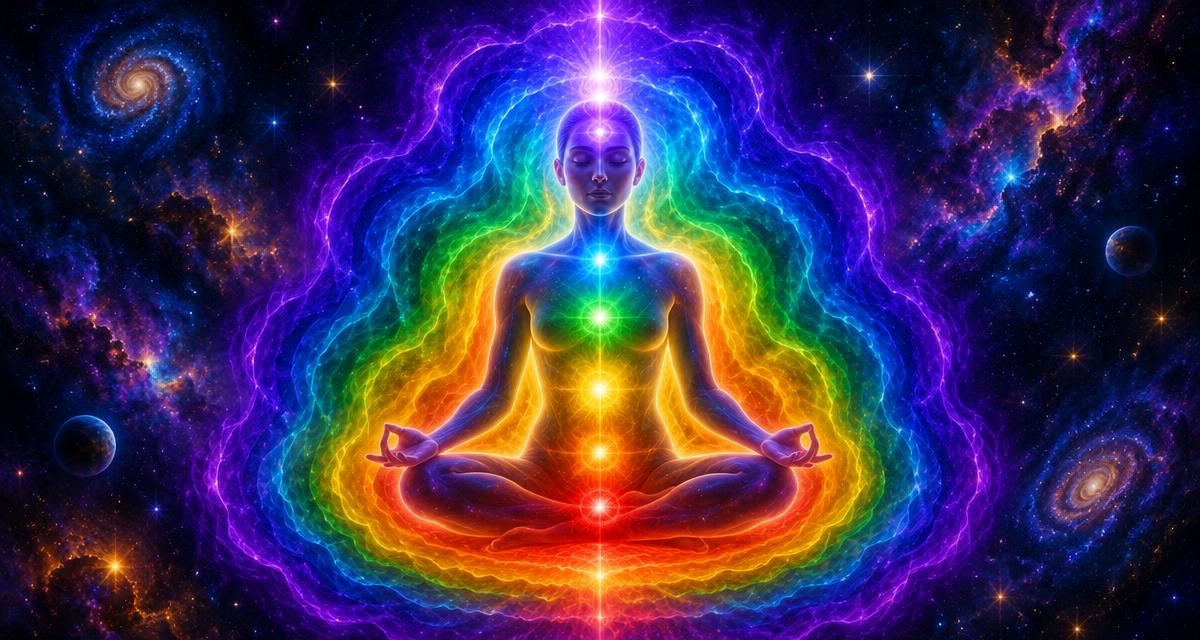
Many spiritual traditions describe an aura — a field of subtle energy surrounding every living being. People who sense auras often describe them in colors, and each color is said to reflect something about a person's emotions, health or spiritual state. Here is a beginner's guide to aura colors and their meanings.
A quick note before we start: auras are a spiritual and intuitive concept, not something science has measured. Treat these meanings as a language for reflection rather than fixed rules. Colors also change — your aura today may look different next month.
Red aura meaning: energy, passion, courage and a strong connection to the physical world. A bright red can show drive and confidence; a muddy red can point to anger or stress.
Orange aura meaning: creativity, joy, sensuality and social warmth. Orange often appears in people who love adventure and connection.
Yellow aura meaning: intellect, optimism and personal power. Bright yellow suggests curiosity and enthusiasm; a dull yellow can reflect overthinking or pressure.
Green aura meaning: healing, growth, compassion and love of nature. Many healers, gardeners and caregivers are said to carry green.
Pink aura meaning: tenderness, romance and gentle, loving energy.
Blue aura meaning: calm, honesty and clear communication. Blue is associated with teachers, speakers and people who value truth.
Indigo aura meaning: deep intuition, sensitivity and inner knowing. Indigo is linked to the third eye and is often reported in highly intuitive people.
Violet or purple aura meaning: spiritual awareness, imagination and a sense of higher purpose.
White aura meaning: purity, protection and spiritual connection. Some describe white as a sign of transition or awakening.
Gold aura meaning: wisdom, guidance and spiritual maturity.
Dark, gray or murky tones: often read as tiredness, blocked energy or emotional heaviness — a gentle sign to rest and care for yourself, not a cause for alarm.
Aura colors and the chakras: many teachers connect aura colors to the seven chakras — red with the root, orange with the sacral, yellow with the solar plexus, green with the heart, blue with the throat, indigo with the third eye and violet with the crown.
How to start seeing auras:
1. Stand a friend in front of a plain white or light wall in soft light.
2. Relax your eyes and gaze slightly past their shoulder rather than at them.
3. After 30 to 60 seconds, many people notice a faint glow or outline. Color usually comes later with practice.
4. Try the same with your own hand against a white sheet of paper.
5. Record what you notice and how you felt — aura sensing is often felt as much as seen.
What's my aura color? There's no single test. Notice the colors you're drawn to, how people describe your presence and what you sense in meditation. A trained teacher can also help you interpret what you perceive.
Go deeper: the Metaphysical Learning Center's energy and aura courses teach you to sense, read and care for energy fields with live guidance from real teachers. Begin with our free guide, 7 Signs Your Intuition Is Awakening.
Go deeper with a course
Courses at the Metaphysical Learning Center that build on this topic:
Browse all coursesRelated articles
- Are We All Connected? Exploring the Possibility of a Shared Human Consciousness
Could humanity share a collective consciousness? Explore how ant colonies, neuroscience, spiritual traditions and emerging science reveal the mystery of interconnected minds.
- Psychic vs Medium vs Tarot Reader: Types of Metaphysical Practitioners Explained
Psychic vs medium: what's the difference? A clear guide to psychics, psychic mediums, tarot readers, energy healers and other metaphysical practitioners.
- 111 Meaning: New Beginnings, Intuition, and Alignment
Explore 111 meaning through spiritual traditions, intuition, and everyday reflection, with grounded exercises to help you interpret this repeating number.